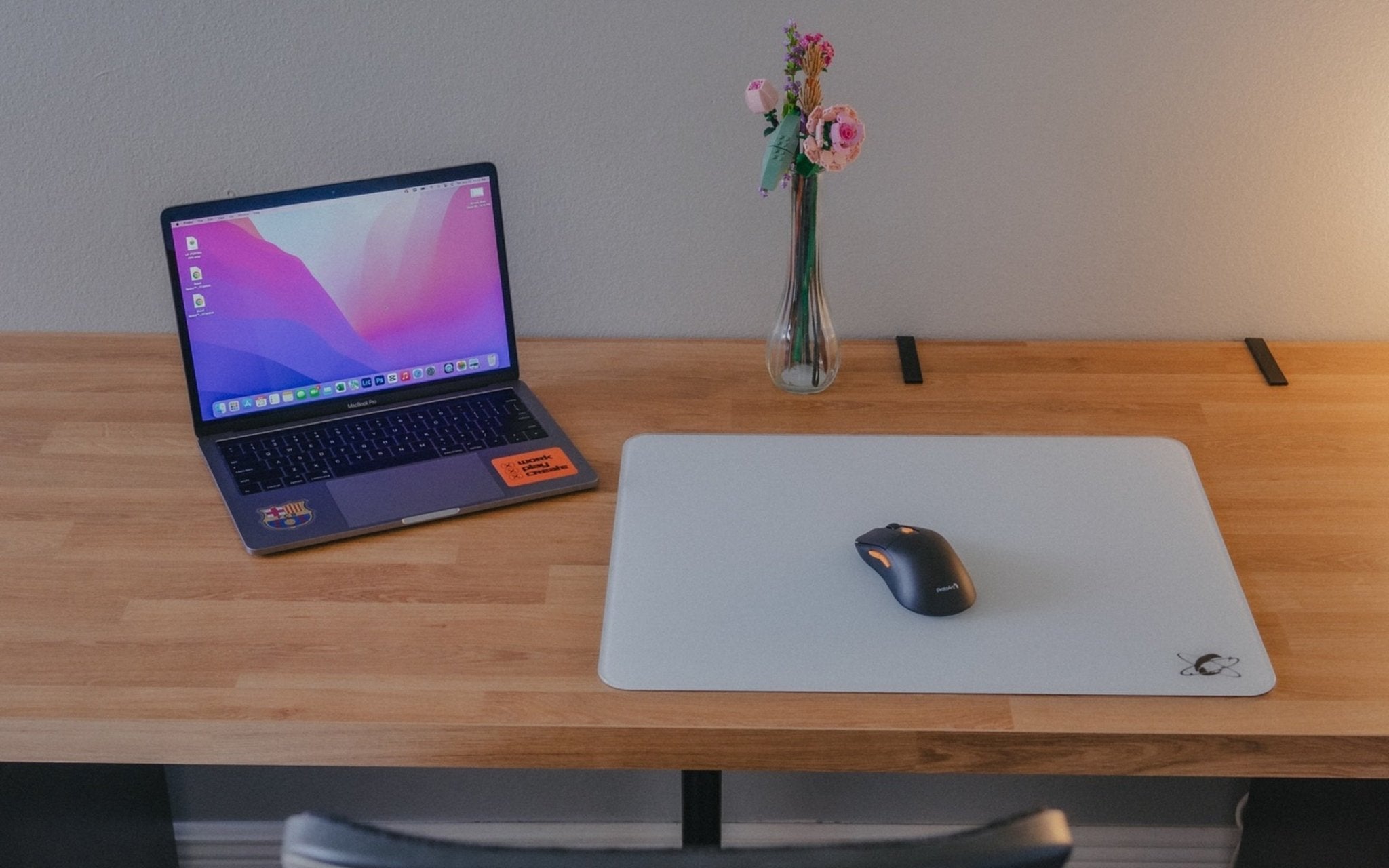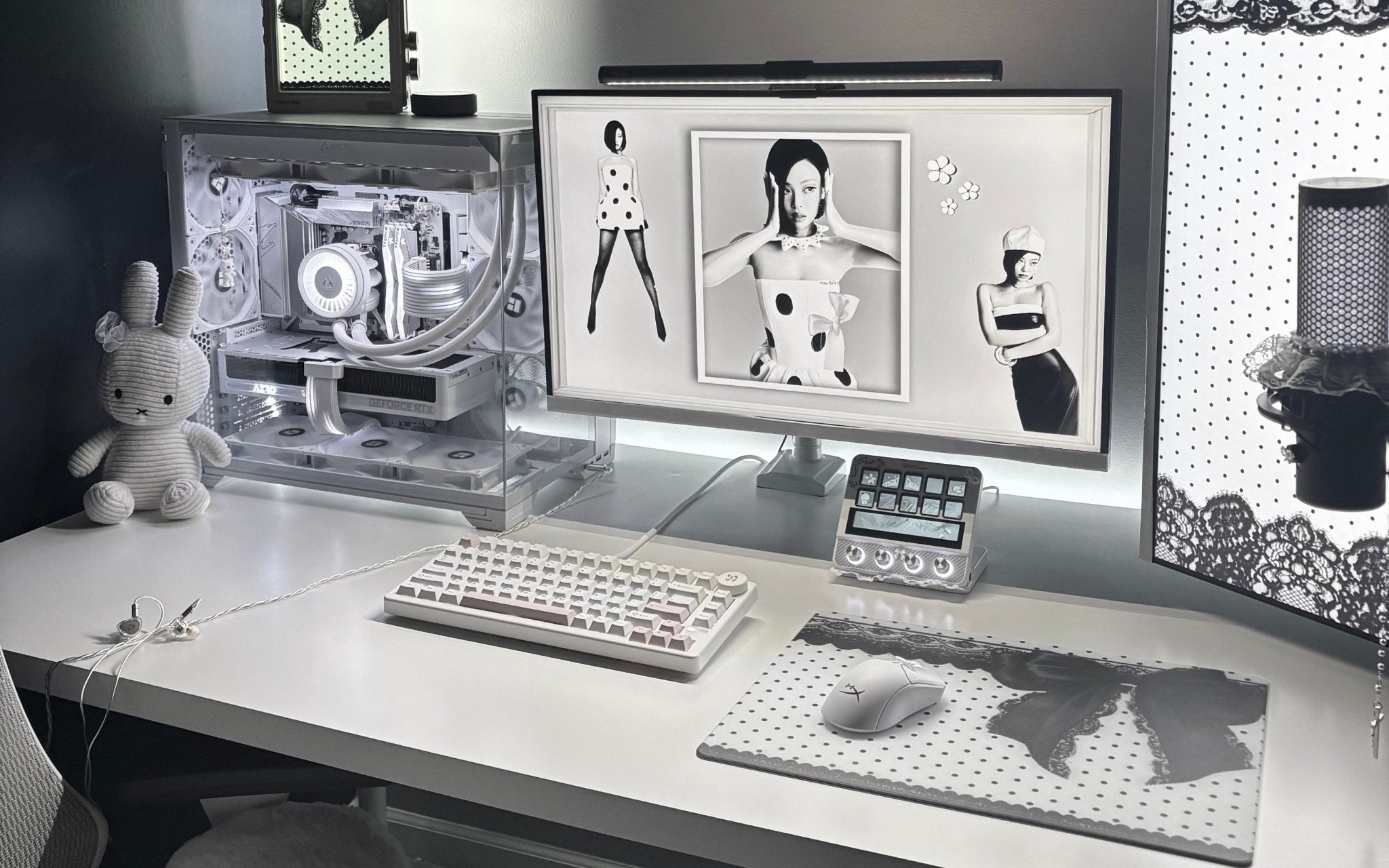
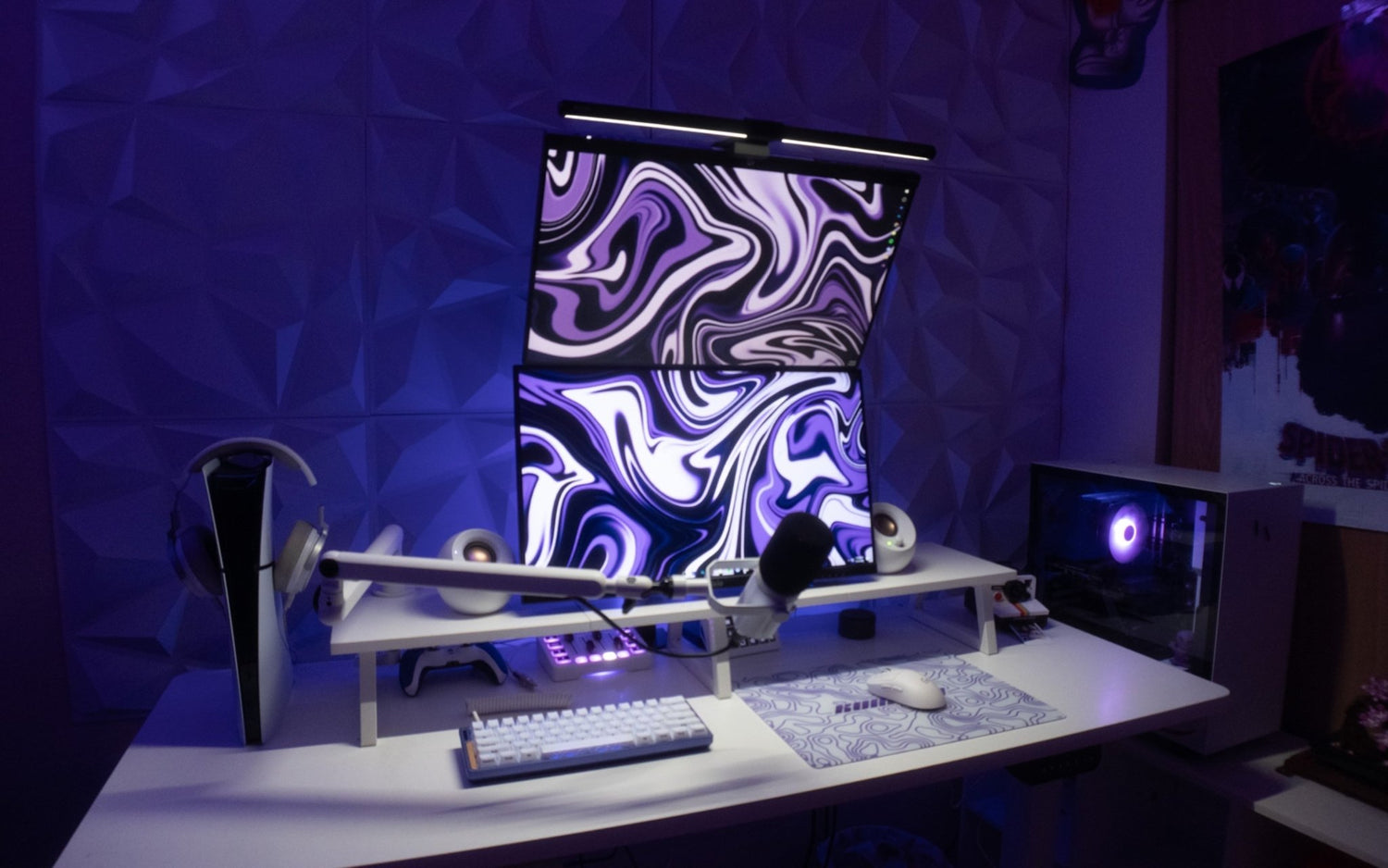
Introduction
Glass mousepads have moved from niche gear to one of the most debated surfaces in FPS gaming. Some players see them as a cleaner, smoother, and more direct way to control the mouse. Others are cautious because glass can feel fast, louder, firmer, and less cushioned than the cloth pads many FPS players grew up using.
A glass mousepad can feel better for players who prefer low friction, smooth glide, a firmer surface, and easier cleaning. But FPS is not only about speed. Tactical shooters such as Valorant and CS2 also demand stopping control, micro-adjustments, recoil movement, and comfort during long sessions.
This article takes a practical look at the glass mousepad debate: where glass can help, where cloth may still feel safer, what users worry about before switching, and why Gen Z FPS players are turning gaming gear into a statement of control, identity, and setup culture.
Why Glass Mousepads Are Trending in FPS Gaming
Glass mousepads are getting attention because FPS players are becoming more specific about surface feel. A mousepad is no longer treated as a basic desk accessory. For many players, it is part of a larger control system that includes mouse weight, sensor performance, skates, sensitivity, posture, desk space, and hand pressure.
Players want a more direct surface feel
Glass feels different because it removes much of the soft drag found on many cloth pads. The mouse can feel lighter, faster to start, and smoother across longer movements. This direct feel is one reason some players become interested in glass after using cloth for years.
For FPS players, this can affect how movement feels during:
- quick angle checks
- wide swipes
- fast target switching
- aim training routines
- tracking movement
- flick recovery
However, a more direct surface also means the player feels more of their own hand movement. For some users, this feels clean and responsive. For others, it can feel too sensitive at first.
Glass fits the rise of clean, performance-focused setups
Modern gaming setups often combine function and presentation. Players want gear that feels practical during ranked games but also looks clean on a desk, in a setup photo, or during a stream.
Glass mousepads fit this trend because they often look minimal, firm, and easy to maintain. Players who want to compare different visual styles and surface options can explore the CLUSTRS glass mousepad collection while thinking about desk space, glide feel, and daily use.
They also create a different desk identity from traditional cloth pads. For users who care about both gaming feel and setup appearance, glass has become part of a broader setup conversation.
Social media made niche gear easier to discover
Gaming clips, desk tours, product reviews, and setup photos have made glasspads easier to discover. Players see others testing glass in Valorant, CS2, tracking-focused FPS games, aim trainers, and general FPS routines.
This visibility does not mean glass is the right choice for everyone. It means more players are now asking better questions before buying: Is it too fast? Does it stop well? What skates work? Is it noisy? Is it worth the adjustment?
Glass vs Cloth Mousepads for FPS: The Real Difference
The glass vs cloth debate should not be framed as one side winning. The two surfaces simply serve different preferences.
What cloth does well
Cloth mousepads remain popular because they feel familiar and controlled. Many FPS players like cloth because it offers more surface resistance, softer hand contact, and quieter movement.
Cloth may suit players who want:
- more friction
- softer wrist and hand contact
- stronger stopping resistance
- quieter mouse movement
- a familiar tactical FPS feel
- less adjustment time
For Valorant and CS2 players who rely heavily on controlled stopping, cloth can still feel natural. The extra resistance may help some players feel more stable during small corrections and angle holding.
The trade-off is maintenance. Many cloth pads can absorb sweat, oil, moisture, and dust over time. Depending on material and cleaning habits, the surface may feel different after long use.
What glass does well
Glasspads usually feel firmer and lower-friction. They do not absorb moisture in the same way many cloth pads can, so daily wiping is often more direct.
Glass may suit players who want:
- smoother glide
- lower initial friction
- a firmer surface
- easier wiping
- a cleaner desk look
- a more direct hand-to-cursor feel
- a surface without fabric fuzz
The trade-off is that glass can feel faster, louder, cooler, and less cushioned. It can also make worn skates, dust, or small particles more noticeable.
The right choice depends on control style
A player who values resistance may prefer cloth. A player who wants light movement may prefer glass. A low-sensitivity player may care about surface size and wide arm movement. A high-sensitivity player may care more about micro-control.
The real question is not whether glass is “better.” The better question is whether the surface matches the player’s control style.
What FPS Players Worry About Before Switching to Glass
Many user concerns around glasspads are practical. They are not just asking whether glass is fast. They want to know how it feels after hours of real use.
Will glass feel too fast?
Glass can feel fast compared with many cloth pads. Players who use friction to control stopping may need time to adjust.
For some users, the lower friction feels smooth and freeing. For others, it can feel unstable during the first few days or weeks. Sensitivity, mouse weight, skates, hand pressure, and game type all affect the transition.
A glasspad should be tested as a surface preference, not treated as an instant upgrade.
Does glass have enough stopping control?
Stopping control is one of the biggest FPS concerns. In tactical shooters, players often need to stop the mouse precisely after a flick, hold an angle, or make small crosshair corrections.
Glass can work for players who have strong hand control or prefer lower friction. But users who want more resistance may feel more comfortable with cloth or hybrid surfaces.
For tactical FPS, speed alone is not enough. The surface must still feel controlled.
Are micro-adjustments harder on glass?
Micro-adjustments can feel more exposed on glass. Because there is less fabric resistance, small hand movements may feel more direct.
This can be positive for users who want immediate response. It can be difficult for users who rely on cloth friction to slow down tiny movements.
Players may need to adjust sensitivity, try different mouse skates, or give the surface enough practice time before deciding.
Do mouse skates wear faster on glass?
Mouse skates matter more on glass because the surface is harder than cloth. Dirty, worn, or uneven skates can make the glide feel rougher or louder.
Before switching, users should check:
- skate condition
- skate material
- dust on the pad
- hair or particles under the mouse
- pressure applied during movement
Some users may prefer tougher skates for glass surfaces. Others may continue using standard skates but replace them more often.
Is glass louder than cloth?
Glasspads can be louder because the surface is hard. Sound depends on skates, dust, pressure, and surface texture.
This does not mean every user will find glass distracting. Some players barely notice it. Others may be sensitive to the sound, especially in quiet rooms.
Will the arm stick to the surface?
Some users notice wrist or forearm sticking on glass, especially in warm rooms or during long sessions. This depends on skin contact, humidity, posture, and playstyle.
Some players use an arm sleeve. Others adjust desk height or hand placement. This is not a problem for everyone, but it is worth considering before switching.
Is glass easier to clean?
Glass is usually easier to wipe clean than many cloth pads because it does not absorb sweat, oils, and dust in the same way. But it can still collect fingerprints, smudges, and dust.
A soft microfiber cloth or warm, damp, non-abrasive cloth is usually enough for regular cleaning. Users should follow the care instructions for their specific mousepad.
Are Glass Mousepads Better for Valorant and CS2?
Valorant and CS2 are tactical FPS games. They reward crosshair placement, angle holding, recoil control, timing, and small adjustments. This makes the glass discussion more complicated.
A glasspad may suit some Valorant and CS2 players who prefer:
- faster movement starts
- smoother glide
- lower friction
- a firmer surface
- easier cleaning
- direct cursor response
A cloth pad may suit players who prefer:
- more friction
- softer contact
- quieter movement
- stronger stopping resistance
- a familiar tactical FPS surface
- less adjustment time
For these games, the important point is confidence. If a player feels confident stopping the mouse, correcting aim, and controlling recoil on glass, it may fit. If the surface feels too fast or unstable, cloth may still be the better personal choice.
Tracking Games vs Tactical FPS: Where Glass Feels Different
Glass may feel more natural in some tracking-heavy scenarios because the glide is smooth and continuous. Long movements can feel easier for users who like low friction.
Tracking-focused players may appreciate glass during:
- long target follow movements
- wide camera turns
- fast repositioning
- aim trainer tracking drills
- games with more constant movement
Tactical FPS can feel different because stopping is just as important as movement. A surface that feels good for tracking may not automatically feel good for angle holding or micro-corrections.
This is why players should think about the type of FPS they play most. Glass may feel different in aim trainers, tracking games, and tactical shooters.
Why Glass Mousepads Are Becoming Part of Gen Z FPS Culture in 2026
For Generation Z players, gaming gear is more than equipment. It is part of competitive identity, online presentation, and personal setup culture. A mousepad is not just a surface under the mouse. For many players, it is part of how they practice, build their setup, record clips, and present their gaming space online.
Glass mousepads fit this cultural shift because they signal a specific kind of setup language: clean, direct, competitive, and visually intentional.
- Competitive Identity: FPS players often build their setup around control, focus, and consistency. A glass mousepad can become part of that competitive environment without promising better aim.
- In-Game Feel: Every flick, stop, and correction can feel more connected to the surface. A surface can shape the feeling of movement, even though skill still comes from practice.
- Clip Culture: Gen Z players often share plays, setups, and ranked progress online. A clean and distinctive surface can become part of how the setup appears in that content.
- Personal Expression: Some players choose glass because it matches a modern, minimal, or performance-focused desk identity. Others may prefer to Customize Your Glass Mousepad with artwork that fits their own setup style.
- Community Belonging: Players often discover gear through setup posts, reviews, Discord communities, Reddit discussions, and gaming clips. The product becomes part of a shared culture, not just a private purchase.
This is why glasspads should not be written about only as “fast mousepads.” For many younger players, the surface connects to a bigger idea: how they want to feel when they sit down, compete, practice, and belong inside gaming culture.
For custom glass mousepads, users should upload high-resolution artwork, allow for possible slight color differences between screen preview and final product, and make sure they have the right to use the uploaded image.
What Makes a Good Glass Mousepad for FPS in 2026?
A good FPS glass mousepad should not focus on raw speed alone. The surface should support a useful balance of glide, control, stability, and daily comfort.
Smooth glide without losing control
Smooth glide helps with quick starts and wide movement, but FPS players still need control. A glasspad should not be evaluated only by how fast it feels. It should also be judged by how stable it feels when the player stops.
For players who prefer a clean and minimal glass pad style, the Atom Gaming Glass Mousepad is one option to review through the official CLUSTRS product page.
Consistent tracking across the surface
A good mousepad should feel consistent from edge to edge. Tracking should not feel uneven, rough, or unpredictable during normal movement.
Reliable stopping power
Stopping power matters in FPS because shots often happen after movement stops. Players should think about whether they can stop the mouse confidently on the surface.
Skate compatibility
Mouse skates affect the glasspad experience. Users should consider whether their skates feel smooth, durable, and suitable for a hard surface.
Easy cleaning and daily care
A glasspad should be easy to wipe clean, but users should still expect regular care. Dust and particles can be more noticeable on glass than on cloth.
Comfortable edge design
A smooth edge can help reduce sharp contact against the wrist or forearm during longer sessions. This should be described as comfort support, not a medical guarantee.
Stable desk grip
The pad should stay stable during normal movement. A reliable base helps keep the surface feeling consistent during fast swipes and repeated corrections.
Find the Right CLUSTRS Glass Mousepad for Your Setup
CLUSTRS glass mousepads focus on a speed-leaning balanced feel, combining smooth glide, steady tracking, reliable stopping power, and easier cleaning for daily gaming use.
Explore the CLUSTRS glass mousepad collection to find a surface that matches your desk space, mouse skates, sensitivity, and playstyle.
Conclusion
Glass mousepads are not automatically better for every FPS player in 2026, but they offer a different surface experience that some users may prefer. Their smoother glide, firmer feel, and easier cleaning can suit players who want lower friction and a more direct movement style.
For tactical FPS games like Valorant and CS2, control still matters as much as speed. Players should consider stopping power, mouse skates, sound, comfort, and adjustment time before switching from cloth to glass.
The bigger trend is that glass mousepads are becoming part of modern FPS setup culture, especially for Gen Z players who see gaming gear as part of identity, practice, and personal expression.
Frequently Asked Questions
How long does it take to adjust to a glass mousepad for FPS?
Some players adjust within a few sessions, while others may need longer. A glass mousepad can feel faster and more direct than cloth, so users may need time to adapt their stopping control, hand pressure, and sensitivity.
What mouse skates work well on a glass mousepad?
Smooth, clean, and suitable mouse skates matter on glass because the surface is firmer than cloth. Worn or dirty skates can make the glide feel rougher or louder. Users should check skate condition before switching.
Does dust or hair affect glass mousepad glide?
Yes. Dust, hair, or small particles can feel more noticeable on glass because the surface is hard and smooth. Regular wiping can help keep the glide more consistent during gaming sessions.
Do users need an arm sleeve for a glass mousepad?
Not always, but some users prefer one. In warm rooms or long FPS sessions, the wrist or forearm may stick slightly to glass. An arm sleeve can help reduce skin friction for users who notice this issue.
Is a glass mousepad better for tracking or tactical FPS?
Glass may feel more natural for tracking-focused movement because it offers smoother, lower-friction glide. Tactical FPS players should be more careful because games like Valorant and CS2 also require stopping control and small corrections.
Can a glass mousepad work for low-sensitivity FPS players?
Yes, but size and desk space matter. Low-sensitivity players often use wider arm movement, so they may need a larger glass mousepad to avoid running out of space during wide swipes.
Can a glass mousepad work for high-sensitivity FPS players?
Yes, but high-sensitivity users may notice small movements more directly on glass. They should consider whether the lower-friction surface feels stable enough for micro-adjustments.
Is glass better than hard plastic mousepads?
Glass and hard plastic both offer firmer surfaces than cloth, but they can feel different. Glass usually feels smoother and more consistent in surface feel, while plastic hard pads may wear or develop uneven glide over time depending on material and use.
Does glass mousepad thickness matter?
Thickness can affect desk feel and wrist comfort. A thinner glass mousepad may feel closer to the desk surface, while a thicker one may feel more raised. Users should also consider edge smoothness during longer sessions.
Who should avoid switching to a glass mousepad?
Users who strongly prefer soft contact, high friction, quiet movement, and strong stopping resistance may prefer cloth. Glass is more suitable for players who want a firmer surface, smoother glide, easier wiping, and a more direct movement feel.